Every day, indoor dog kennels typically concentrate dozens of animals in one small, fully enclosed space. Crowded conditions make airborne illness spread faster than almost any other risk factor. Kennel cough, canine influenza, and other respiratory illnesses travel easily through stagnant, shared air.
Facility managers often focus on cleaning surfaces while overlooking the air animals actually breathe. Good ventilation removes airborne pathogens before they ever reach a healthy dog nearby. Here's how proper airflow protects every animal inside your indoor dog kennels year-round.
Why Indoor Dog Kennels Need Constant Air Exchange
Stagnant air lets pathogens build up to dangerous concentrations within just a few short hours. Viruses and bacteria linger in droplets that float through unmoving, poorly circulated air. Every dog that breathes that stagnant air faces a higher risk of infection over time.
Puppies, senior dogs, and immune-compromised animals face the greatest danger from poor airflow. In fact, weak ventilation can turn a single sick dog into a facility-wide outbreak within days. Outbreak risk grows even higher without effective quarantine areas set up for vulnerable animals.
Indoor dog kennels without adequate airflow also trap humidity, ammonia, and unpleasant odors. As a result, high ammonia levels from urine irritate the respiratory tract and weaken natural defenses. Weakened defenses make every dog in the kennel more susceptible to airborne illness. Reliable air exchange keeps humidity, ammonia, and pathogen levels within a safe range. Air exchange alone influences long-term animal health more than almost any other design choice you make.
How Airflow Design Stops Airborne Pathogens From Spreading
So, the Association of Shelter Veterinarians advises facilities to maintain high enough ventilation rates throughout. According to their published guidelines, air quality must stay adequate in every single enclosure. Isolation areas need special attention, since sick animals shed the most airborne pathogens.
Air from isolation spaces should exhaust outside rather than recirculate through the whole building. Recirculated air carries pathogens straight from sick dogs to healthy dogs nearby instead.
Once installed, mechanical ventilation systems use fans and ductwork to move air through the building. Then, HVAC systems designed for animal facilities filter out dander, dust, and airborne pathogens. Pairing strong airflow with practices that prevent cross-contamination in kennels offers layered protection against disease.
Temperature and humidity control work alongside airflow to limit pathogen survival rates indoors. Most pathogens thrive in warm, humid, and poorly ventilated indoor dog kennels year-round.
Air changes per hour, often called ACH, measure how thoroughly a room replaces its air. As such, higher ACH ratings in kennel areas translate directly into much lower disease transmission rates.
Design Features That Improve Airflow in Indoor Dog Kennels
Smart kennel layout starts well before construction begins, with airflow built into nearly every design decision. Spacing, ventilation, flooring, and ceiling height all work together to keep fresh air moving through the space. Getting these details right prevents the stagnant air pockets that let pathogens, odors, and humidity build up indoors.
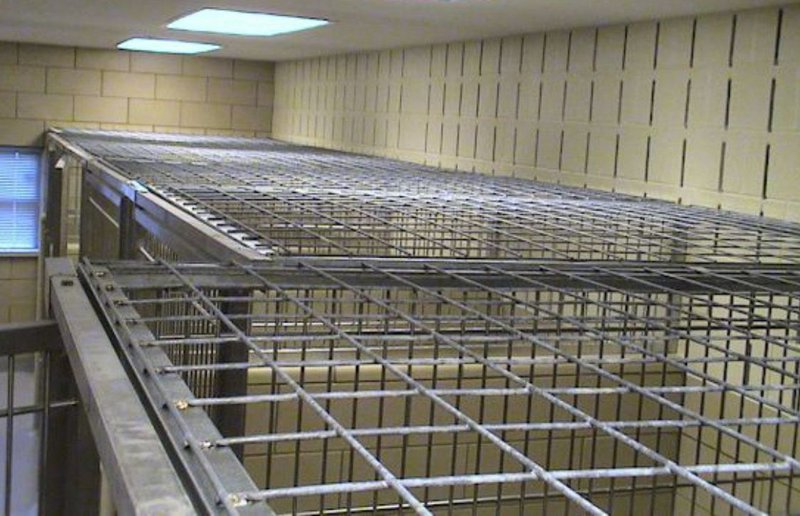
- Adequate spacing between runs prevents air stagnation and gives circulation room to work
- Cross-ventilation through opposing vents or windows keeps fresh air moving constantly through the space
- Raised, slatted flooring lets air circulate freely beneath each run instead of pooling near the ground
- Ceiling height lets warm, contaminated air rise away from dogs at floor level
- Exhaust fans placed near the ceiling pull that rising, contaminated air out of the building
- Low intake vents bring fresh, clean air in to replace whatever air just left
- Partition walls between runs stop well short of the ceiling to allow proper airflow
- Kennels built without a bottom rail avoid a ledge that traps dust and blocks airflow near the floor
- Zoned HVAC controls let you adjust airflow independently in high-traffic or high-risk areas of the facility
Retrofitting older indoor dog kennels with better airflow often costs less than most managers expect. Adding a few exhaust fans or vents can dramatically improve air quality without a full renovation. Work closely with a manufacturer that focuses on maximizing space and safety in kennel design on any retrofit project.
Design Indoor Dog Kennels That Protect Every Animal's Health
Airflow alone determines whether disease spreads through your facility or stays fully contained. Smart design, mechanical ventilation, and thoughtful layout choices all work together to protect animals. Indoor dog kennels built with airflow in mind protect both animal health and staff well-being.
Direct Animal Products designs stainless steel kennel systems that support proper airflow and easy sanitizing. We work closely with facility planners to create layouts that keep every animal breathing clean air. Contact our specialists for ergonomic, hygienic, and affordable kennel equipment built for airflow.